Faculty of Bioscience Engineering

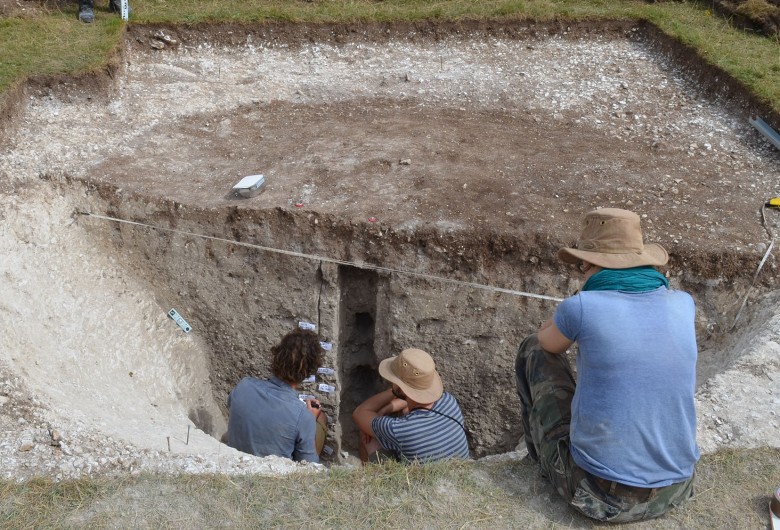
Stonehenge reveals traces of a much older past

Stonehenge

A particularly valuable discovery has turned our knowledge of Stonehenge upside down. On the most researched site in the world, a research group including a few Ghent University students has found traces that are much older than anything that has been excavated so far. We know that there are still secrets to be uncovered from bio-engineer Philippe De Smedt, among other things thanks to soil scans.

Read more

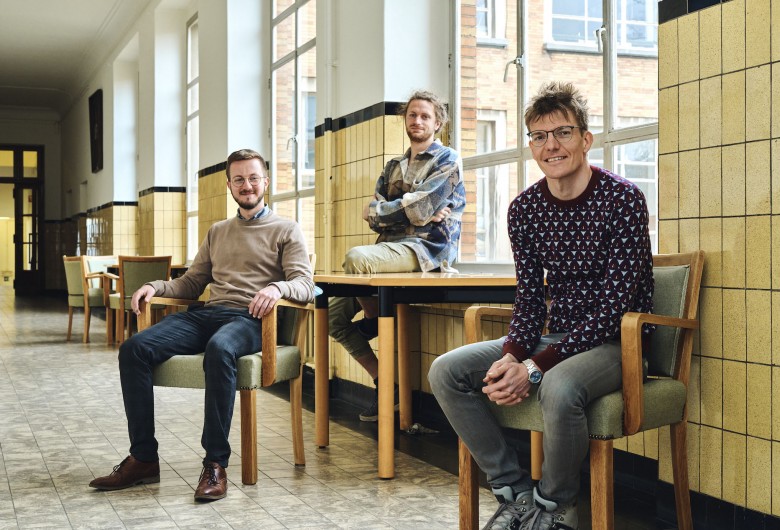
“Students here address their lecturers far more directly, we’re just not used to doing things like that in South Korea”

Solha

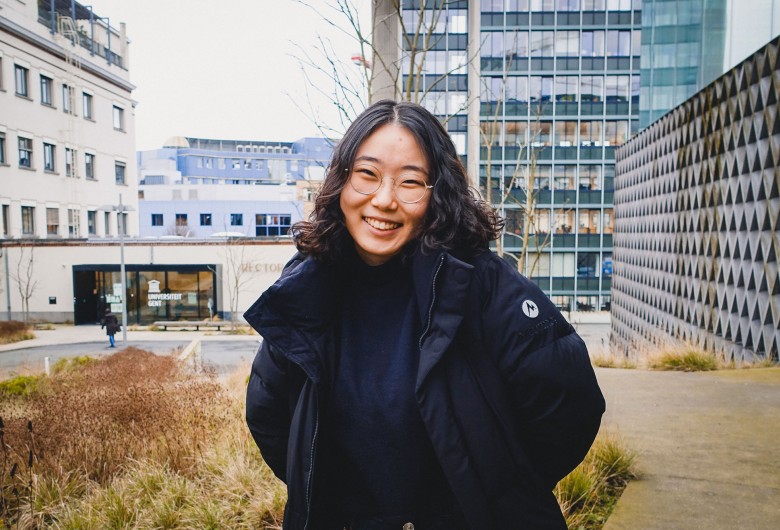
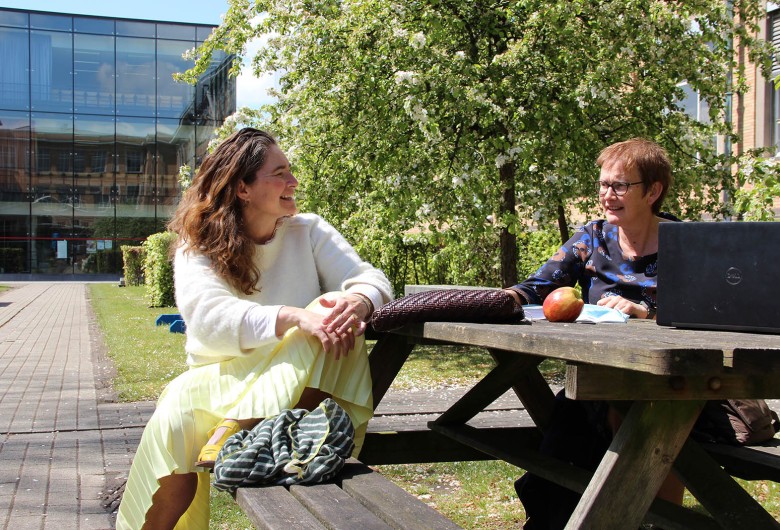
All students from Ghent University Global Campus (GUGC) in Incheon, South Korea come to the so-called Home Campus in Ghent for one semester during their study programme. Solha Kang and Eunhey Choi both just finished their exams and are about to return home. We managed to catch up with them right before they hopped on the plane to discuss what they thought of their stay in Belgium.

Read more

Data as the lifebuoy in a flood

Regen

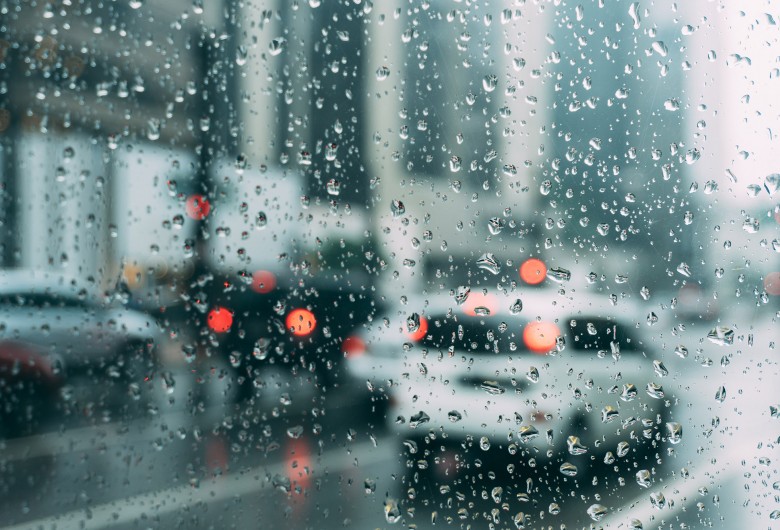
As the climate changes we must increasingly account for heavy rainfall and the flooding this causes. Having said that, there is already lots of data available to predict future flooding and potential damage. Yet our approach is not always aligned with this data.

Read more

Vegetables that aim higher: the future of urban horticulture in Roeselare

Agrotopia

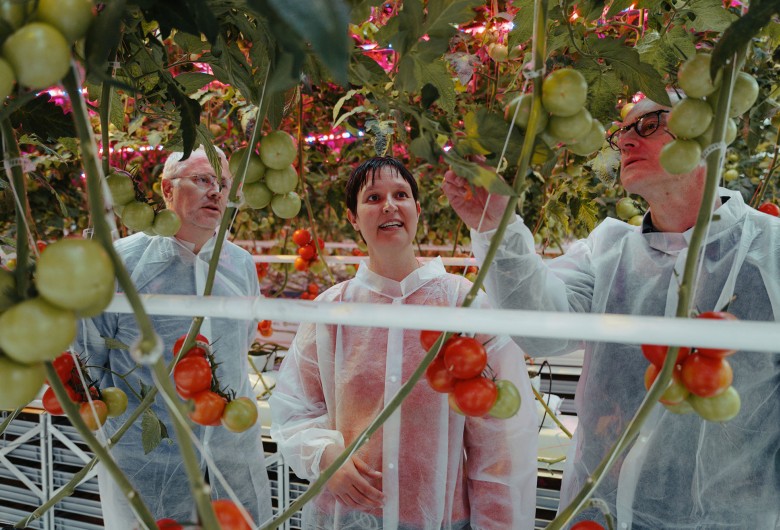
Vertical farming is booming, and above all in an urban context, since this method requires less space in order to grow sufficient food for a large number of people. Vertical farming is an agricultural concept where crops are grown in a tall greenhouse, in vertically stacked layers. The plants are not planted in earth; instead, they are cultivated in nutrient-enriched water. Artificial light is needed to ensure that the plants receive enough light in order to grow. But which sort of light gives the best result? This is the focus of one of the studies by a team of bio-engineers from Ghent University.

Read more

"The road to climate-friendly industry starts with research"

Het gebouw van Capture

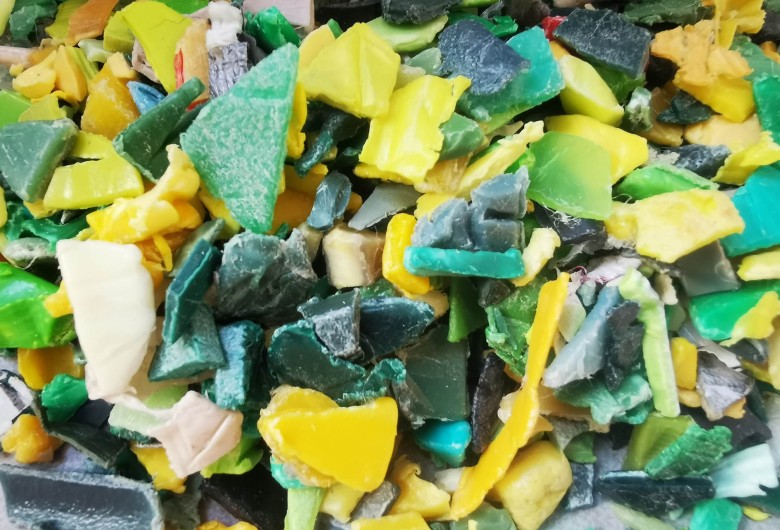
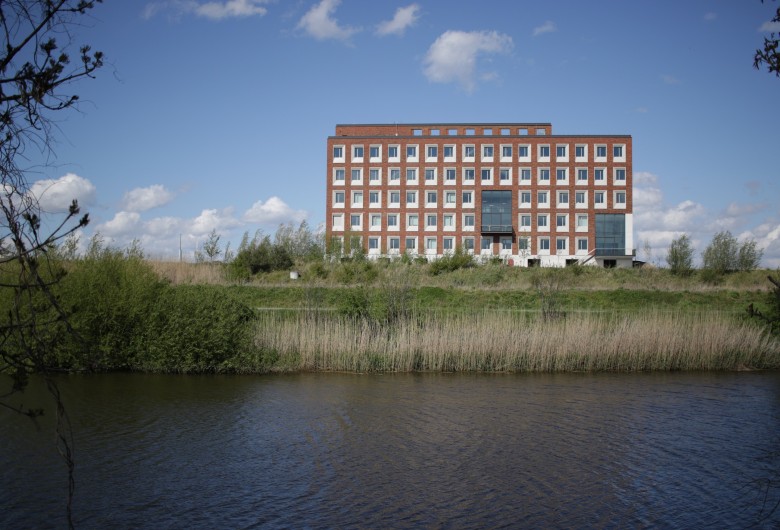
How to use waste water, CO2 and plastics as a source of energy or a raw material? This is one of the key questions that keeps professor Korneel Rabaey occupied on a daily basis. A question to which he is now seeing an answer emerge, thanks to the new research platform CAPTURE, which he helped to conceive. The opening of a physical research centre will accelerate progress in this area considerably, which has been his goal for years.

Read more