Faculty of Bioscience Engineering

Science or art? Researcher Kim creates unique tree scans
Lidart

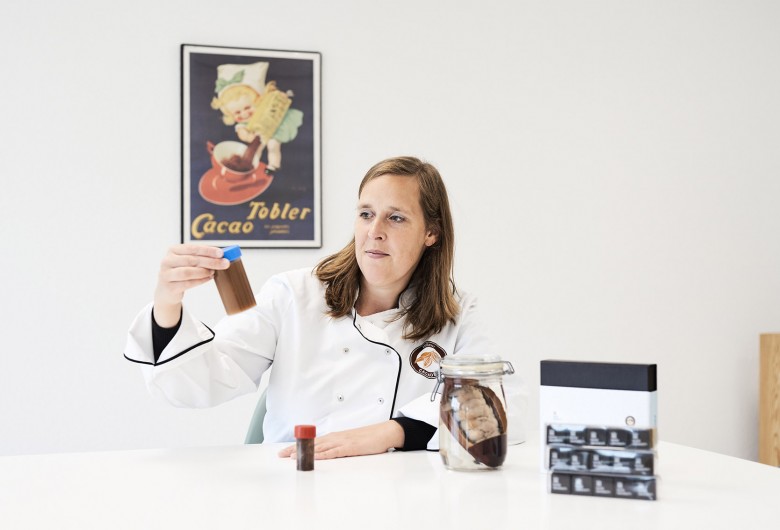
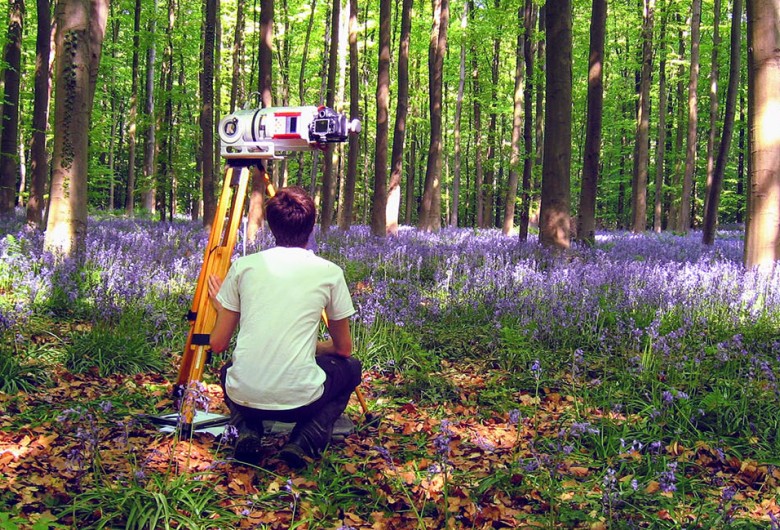
Kim Calders discovered his passion for scanning trees when doing his PhD in Hallerbos forest, near Brussels. As a bio-engineer, he has been travelling the world with his LiDAR scanner ever since. Along the way, he has ended up face to face with cassowaries and elephants, and collaborated with artists to make a forest sing. A story in nine pictures.
Read more

Ghent University developing the climate-adaptive forest of the future

bos

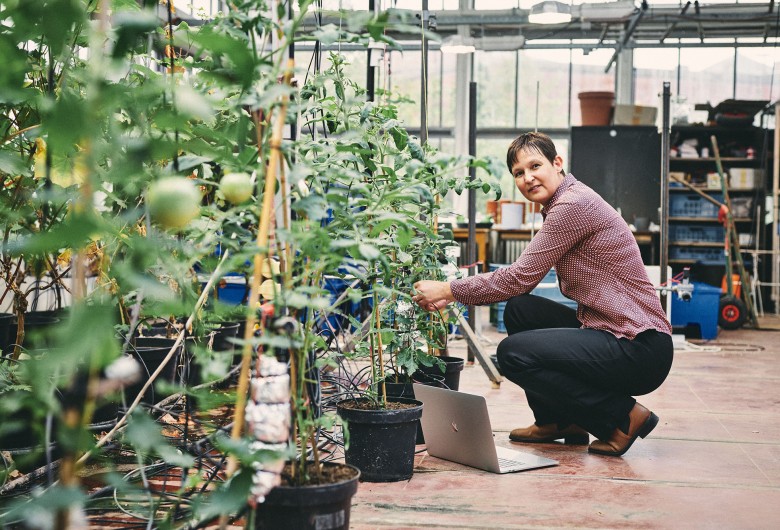
The last years’ drought has caused stress in trees. Some have stopped growing; others have shed their foliage. Sometimes entire forests have perished. The bioengineers at the Department of Environment (Faculty of Bioscience Engineering) are crossing national borders to try to find out the causes of the problems effecting trees globally and working on a type of forest that can cope with climate change.

Read more

CO₂ from steel manufacturer transformed into fish food

Myrsini Sakarika en Nele Ameloot

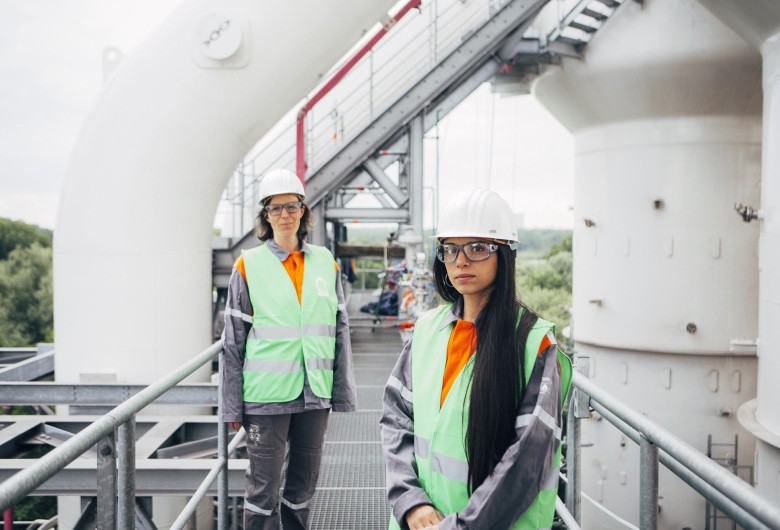
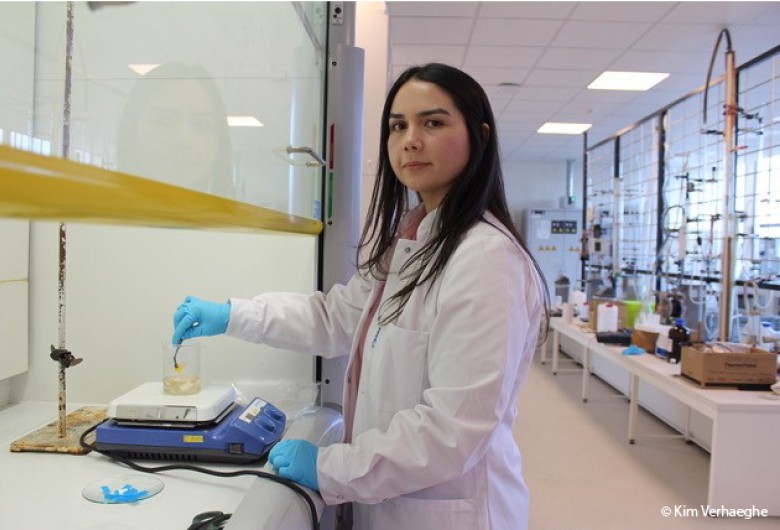
What does steel production have to do with fish-food production? Everything! If you ask Myrsini Sakarika and Nele Ameloot from Ghent University. After all, they are helping to convert CO2 from the steel manufacturer ArcelorMittal Belgium into proteins, which can then be used for fish food. Pioneering research, although some finetuning is still necessary: “Fish are pretty demanding when it comes to their diet.”

Read more

Plants perk up … with chicken feathers

Kippen

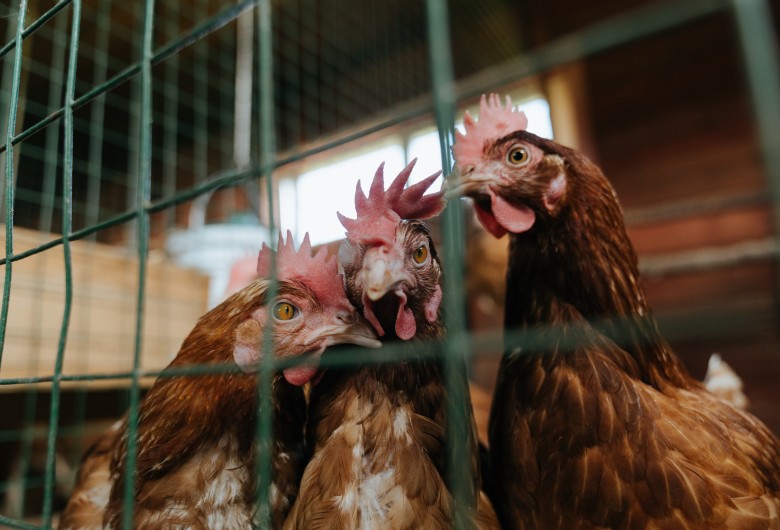
Chicken feathers are full of valuable substances. Working with STAMAGRO, the start-up in East Flanders, researchers at Ghent University have helped to find a way to turn these substances into a product that benefits the growth of plants. That also means less nitrogen and CO2, because the plants require less fertilizer. And it reuses the feathers, which would otherwise end up in the rubbish. Win-win!

Read more