All articles

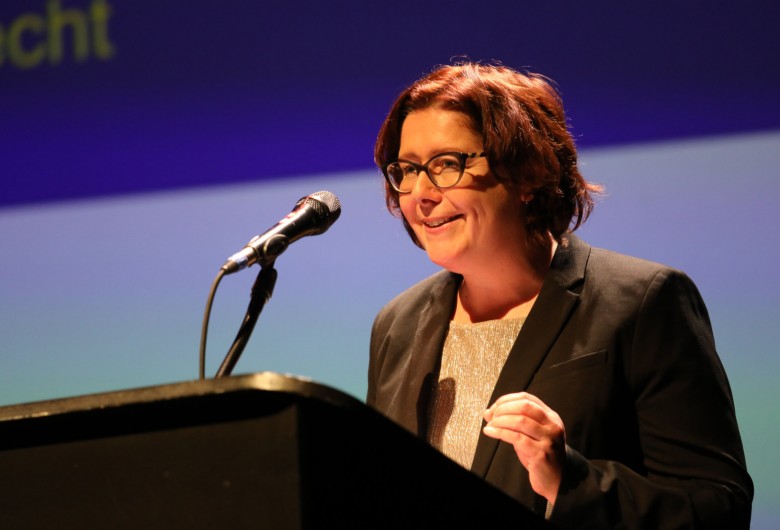
Art as a ray of hope in Syria

Syrië

The 2011 revolution did not bring about freedom for Syrians. The civil war in the country has already claimed hundreds of thousands of victims. Gradually, despair has set in. “But if you look closely, there are some rays of hope. We need to highlight those in order to not further dehumanize the people who are trapped in the conflict,” says Middle East expert Brigitte Herremans.

Read more

Four ways to counter vaccine skeptics

Vaccin

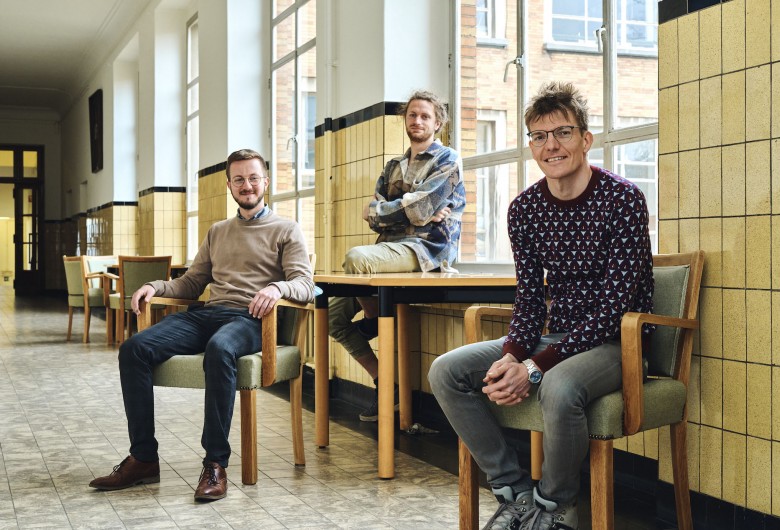
Ghent University’s Motivation Barometer suggests that two out of ten Belgians are sceptical about the corona vaccines. Philosopher of science and researcher at Ghent University Massimiliano Simons and moral philosopher Brecht Decoene, two specialists in conspiracy thinking and anti-vaxxers, explain how to counter this doubt and opposition.

Read more

The great importance of small woods

Bosje

It turns out that large forests are not the only woodland to contribute to combatting climate change. In fact, small woods are important too, and far more than we once believed. Small areas of woodland actually take in proportionately more carbon than their larger relations. This means it is really important to take care of such areas, and plant more of them.

Read more

“Covid-19 is a demonstration of evolution”

Standbeeld van Charles Darwin

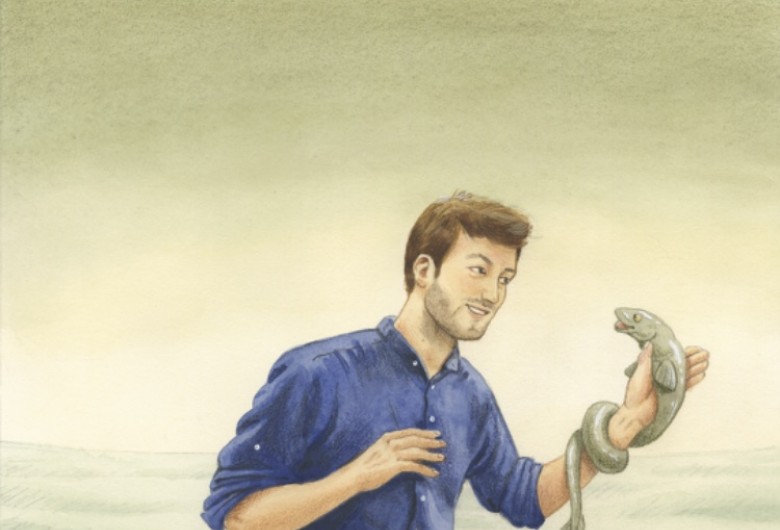
Imagine a virus that increases its chances of spreading by staying undetectable for a few days after it infects us, while we humans try to defend ourselves with a tool that we developed over thousands of years of evolution: our power to think. “Evolution is about more than just fossils or Darwin’s finches. It’s happening every day, before our very eyes.”

Read more

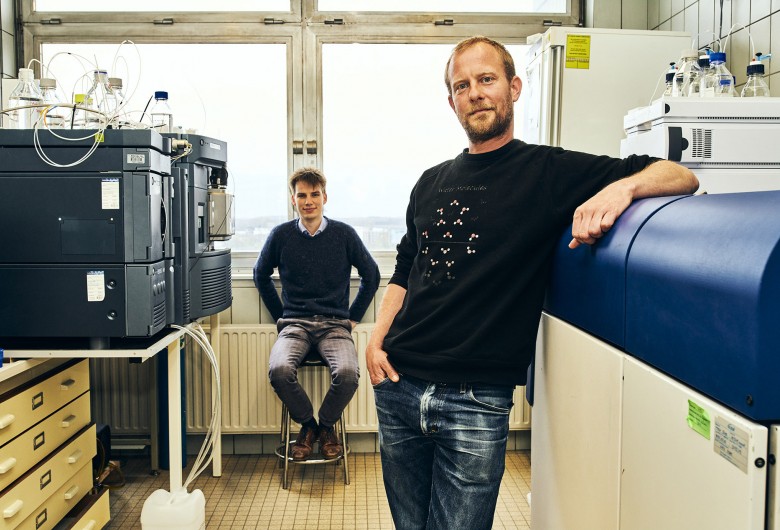
How Ghent University’s study on corona and refugees became a WHO report

Ilse Derluyn

The corona crisis is having a major negative impact on the most vulnerable refugees, according to a study by the World Health Organization published last Friday, on the International Day of Migrants. It was researchers from Ghent University and the University of Copenhagen that developed this report. “We are very happy that the WHO chose to run with our study. In this way our work can have worldwide resonance.”

Read more