opinion
Can we soon leave our justice system to AI judges?
We asked legal expert Frederik Peeraer what he sees as the opportunities, challenges and pitfalls of using AI in the justice system. Could we soon outsource our justice system?
We asked legal expert Frederik Peeraer what he sees as the opportunities, challenges and pitfalls of using AI in the justice system. Could we soon outsource our justice system?
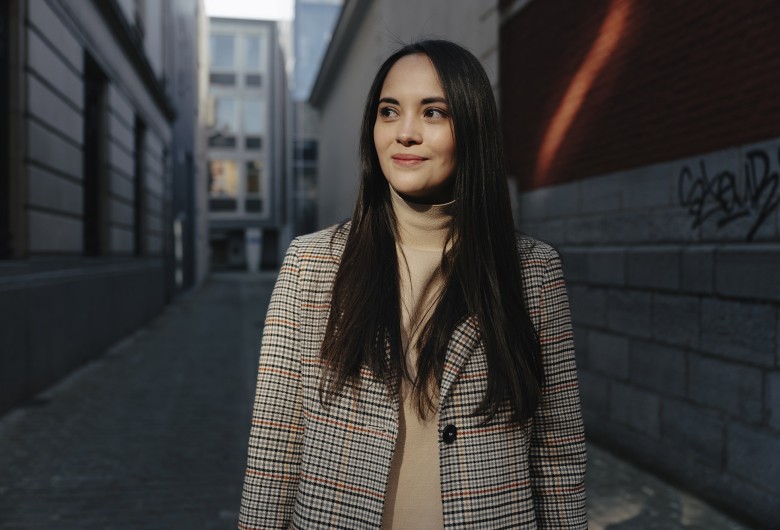
As the first in her family to go to university, Davina Simons (30) had to make it happen largely on her own. In 2019, she earned her master's degree in law from Ghent University. In no time, she became one of the Belgium's best-known criminal defense lawyers and today she runs her own law firm.
Migration remains a topic that deeply affects many and stirs strong emotions. Many people believe that it is “all too easy” for migrants, or that “judges go too far” when it comes to protecting refugees. But what is the reality? Prof. Ellen Desmet puts three misconceptions about migration law into perspective.
Why is one neighbourhood more prone to crime than the next? Can crime be predicted and prevented? Those are the questions that professor Wim Hardyns decided to tackle seventeen years ago.
Imagine if we locked up fewer people, or if there were no longer any prisons at all. Would that lead to more crime or, on the contrary, produce greater equality and security? An intriguing issue criminologist Tom Vander Beken loves to ponder.
We all do it, accepting cookies without thinking when we visit a website. It seems quite harmless, but it is not. In fact, it is downright dangerous, according to human rights expert Professor Joe Cannataci.
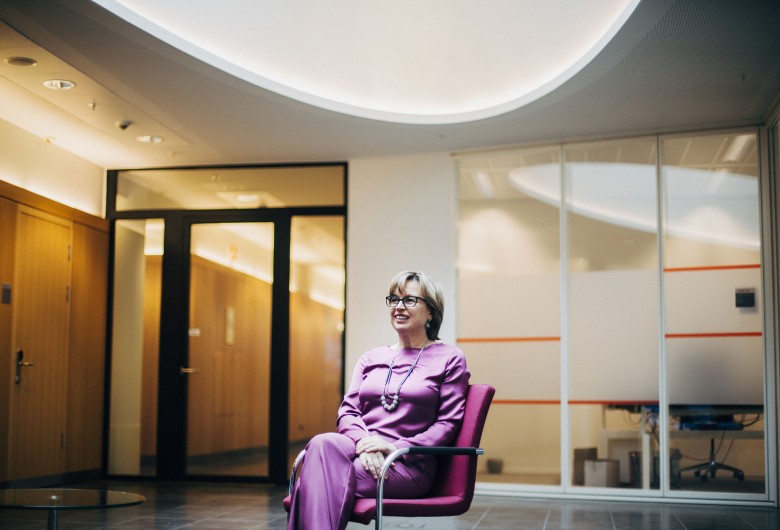
Catherine De Bolle has earned the right to call herself Ghent University Alumnus of the Year 2023. As the chief of Europol, she sees an important role for universities in the modernisation of the police service.
Virtually all human rights treaties are much older than the modern technologies that determine the rhythm of our day-to-day lives. But these rights are under threat, especially from large tech companies. Professors Ruben Verborgh and Eva Lievens advocate an entirely new mindset: “The first step must always be to think about what kind of society we want. Only then can we build the technology necessary to achieve it, not the other way around.”
She came here two years ago, and immediately developed a close connection with both the city and the university. He has now been living here for about ten years and feels completely at home. Both are pursuing their careers in the academic world, and that can sometimes be uncertain. The story of Gretel Mejía Bonifazi from Guatemala and Igor Fijalkowski from Poland, two international members of Ghent University.
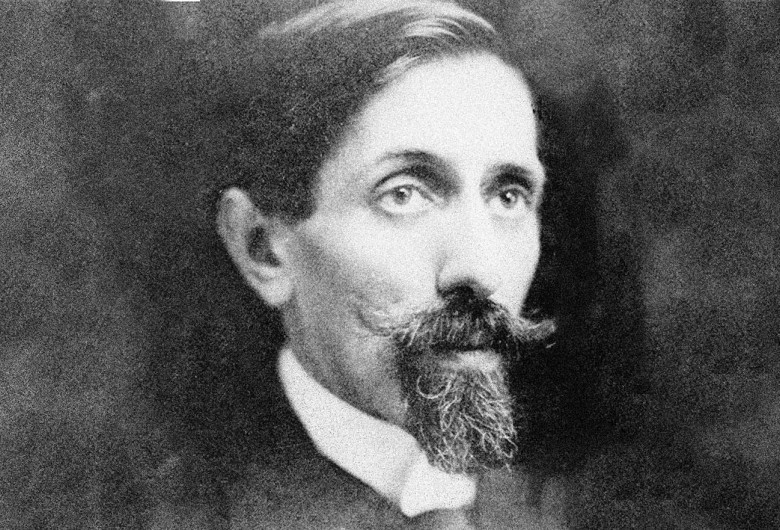
He is one of the most defining characters in the history of Ghent University. His name was recently given to a foundation, set up by professors Marc Cools and Christophe Vandeviver. They believe that Nico Gunzburg is the perfect embodiment of what they are keen to achieve with the foundation.
Human rights should not only be seen as a legal issue. “They play a role in all disciplines”, says professor of human rights Eva Brems. With a multidisciplinary outlook on the theme, Ghent University is playing a pioneering role. And that is necessary, “because human rights are more than ever under pressure, also in Europe.”
More frequent environmental disasters due to global warming, plant and animal species that disappear, ecosystems that are disrupted. These are environmental problems, but increasingly they threaten human rights, such as the right to health or even the right to life. It raises the question: is the right to a healthy environment actually a human right?