"Housing different faculties in the same building is a huge advantage"
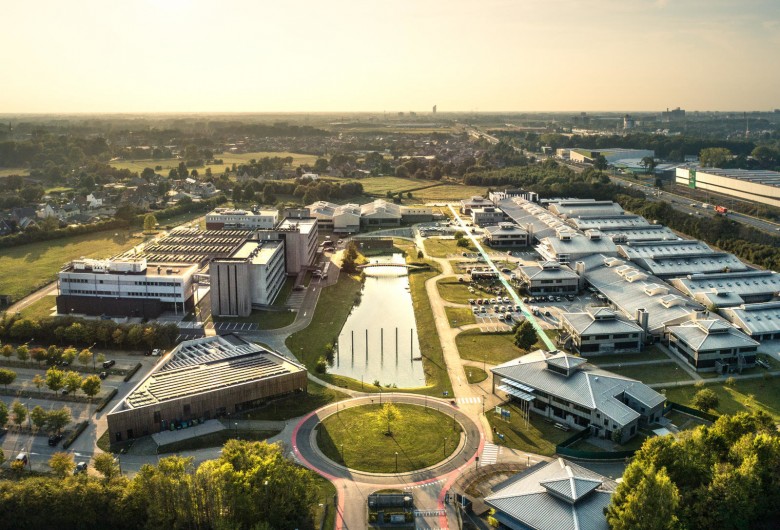
Dean Jan Van Bocxlaer talks about the new faculty building on Campus Heymans.
The place to be if you are looking for scientific literature, periodicals, theses or manuscripts…. And who knows, maybe even the love of your life? For some, the magnificent setting of the Ghent University Boekentoren tower has not only been a place to study, but also the beginning of something beautiful.
‘Open science’ and ‘open access’ are two key concepts in the contemporary scientific landscape. At Ghent University, the Boekentoren library has become a forerunner in both, thanks to the enormous steps it has taken in terms of digitalisation. And that is something from which everyone has benefitted, and above all researchers.
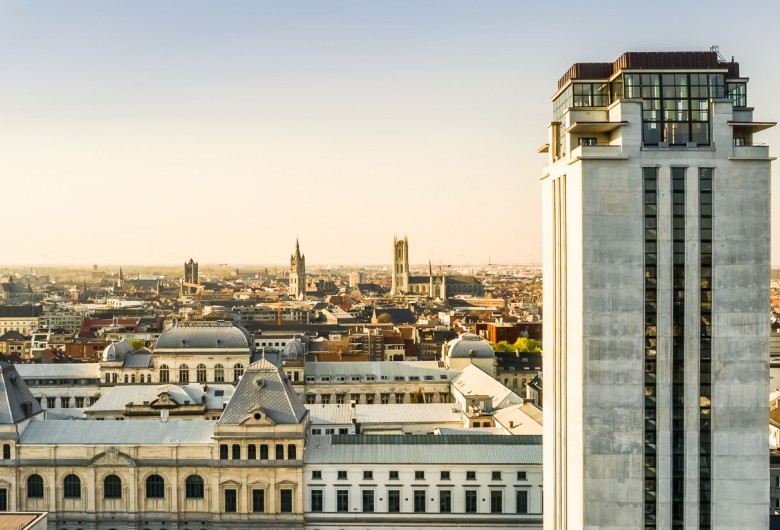
The Ghent University Boekentoren tower is a 64 metre high architectural masterpiece. But the tower is so much than just a monument. “It is a beacon of science, a fountain of knowledge for both researchers and students,” says head librarian Dries Moreels.
For the fifth consecutive year, the Faculty of Veterinary Medicine at Ghent University has come first in the Shanghai ranking. This ranks faculties based on their scientific research. However, what does it mean to be number one? And why do we deserve such a good score?
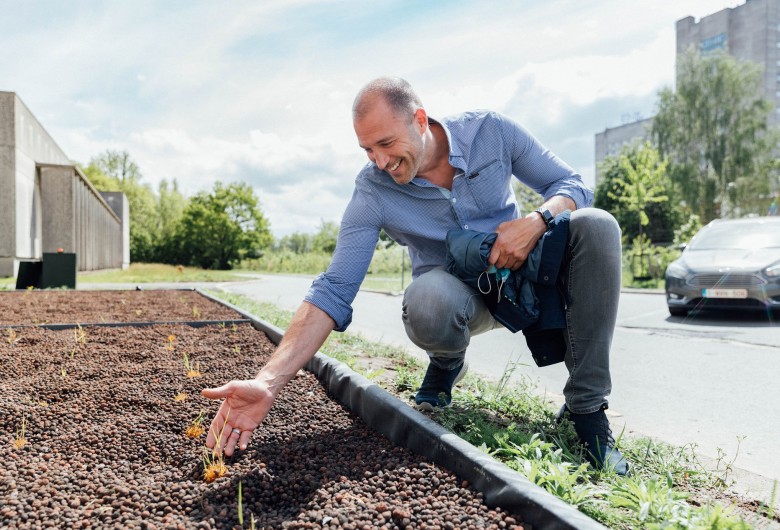
Ghent University uses about 260.000 m³ water annually, of which 92% is high-quality tap water. This needs to change. Ghent University is going to instigate the necessary adjustments based on a new policy on circular water management – and a break-away from traditional techniques. This is why, since 12 May 2021, there’s a wastewater treatment facility at Site Heymans in Ghent, Belgium based on water plants and bacteria: a constructed wetland.
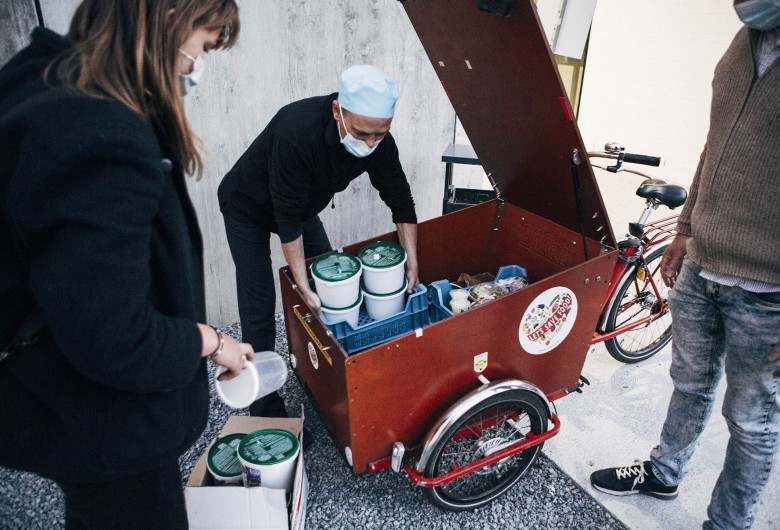
The Ghent University restaurants and cafeterias have always operated with sustainability in mind. But did you know that this is done with respect for social equity? Together with Let’s Save Food, a Ghent-based volunteer organization, they are aiming for a full-scale sustainable solution for food waste through efficient redistribution of leftovers.
Ghent University is becoming more international than ever. In fact, the university will be part of ENLIGHT, a brand-new collaboration project, together with eight other European universities. This should make it easier to take courses abroad, conduct research across the borders and team up in tackling social challenges.
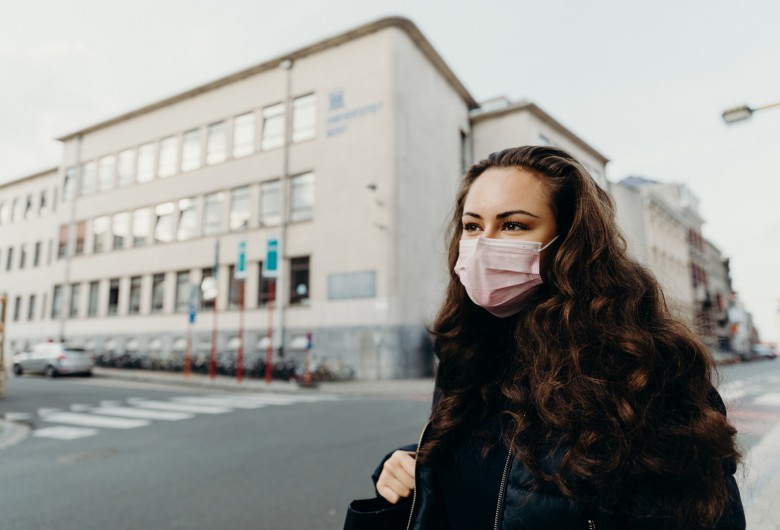
Code red. Starting from Monday 26 October, all teaching activities at Ghent University will happen in accordance with the highest safety level. Why have we taken this major step, what will change, and what stays the same?
The GUM — Ghent University Museum — finally opened its doors to the general public on Saturday 3rd October. Finally! After seven long months of waiting. But don’t think that the employees have been idle all this time. On the contrary, there was a lot to still do in the run-up to the opening.
We do not know what corona will bring. I do know that we can rely on Ghent University and everybody involved. To make the best of it in all circumstances.
Snow white. That is what Ghent’s iconic Graffiti Street looked like for a while today. Together with Ghent street artists, the GUM (Ghent University Museum) painted this narrow street whiteas a tribute to the blank page.