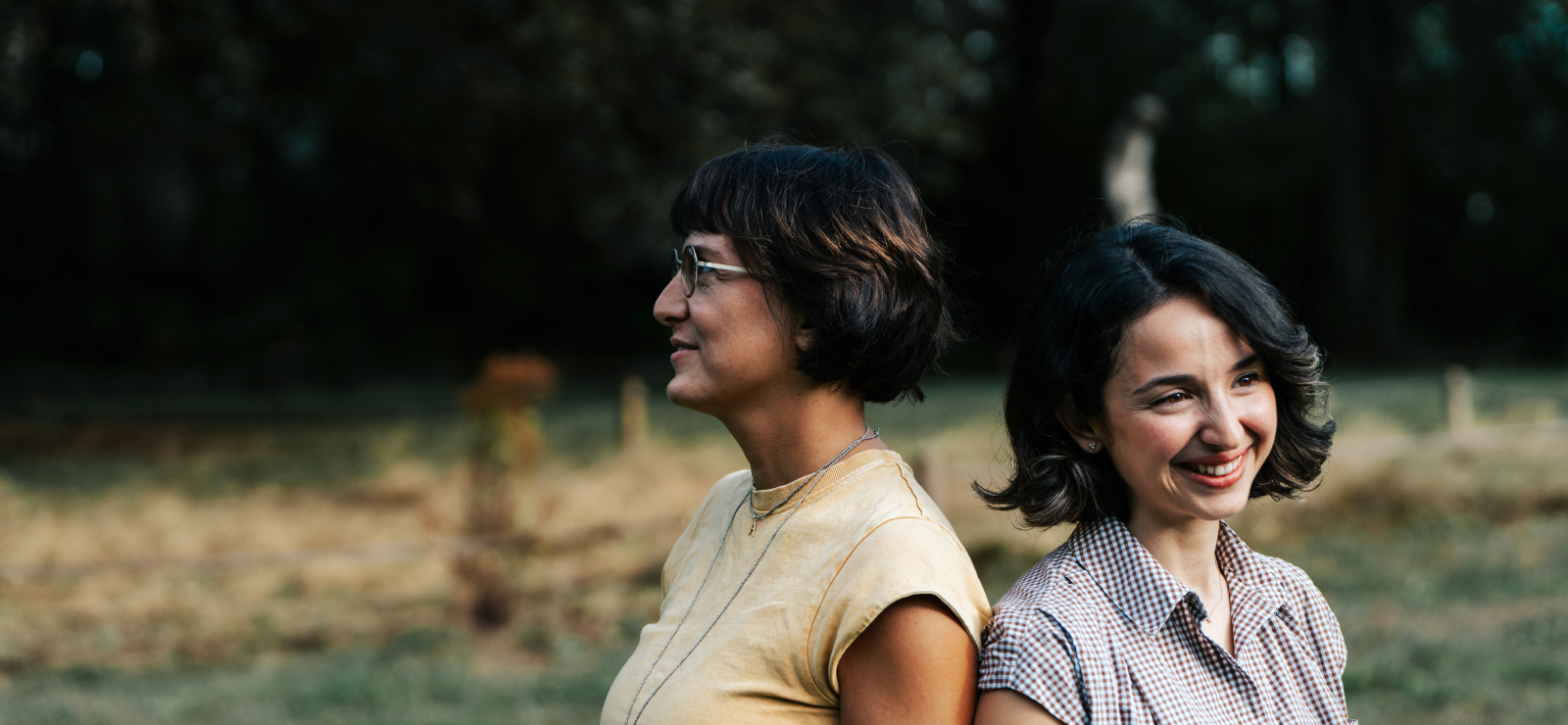
UGent Campus Kortrijk is gearing up for an academic year packed with creative ideas, sustainable innovation, and warm encounters. A joint interview on inclusive design and the power of diversity: “Cultural differences can actually bring people closer together.”
Right before the start of the academic year, the campus is still quiet. The site's openness and transparency stand out all the more: modern buildings with large glass panels overlooking abundant greenery, workshops, and labs. Professor Francesca Ostuzzi has been working at the campus for twelve years. "You don’t really feel the hierarchy here. If students are tinkering with a project in the garden, a professor may step out to brainstorm along. Because we have small class sizes and accessible labs, the threshold to drop in on each other is very low."
As soon as the academic year kicks off, that calm turns into a bustling maker atmosphere. Francesca: “Everyone always is working on some projects. Students walk around carrying prototypes, and in the workshops, people are actively working with various tools and materials.” Postdoctoral researcher Melis Örnekoğlu Selçuk sums it up: "At Campus Kortrijk, everything revolves around making ideas tangible. Everyone is creating, testing, and improving."
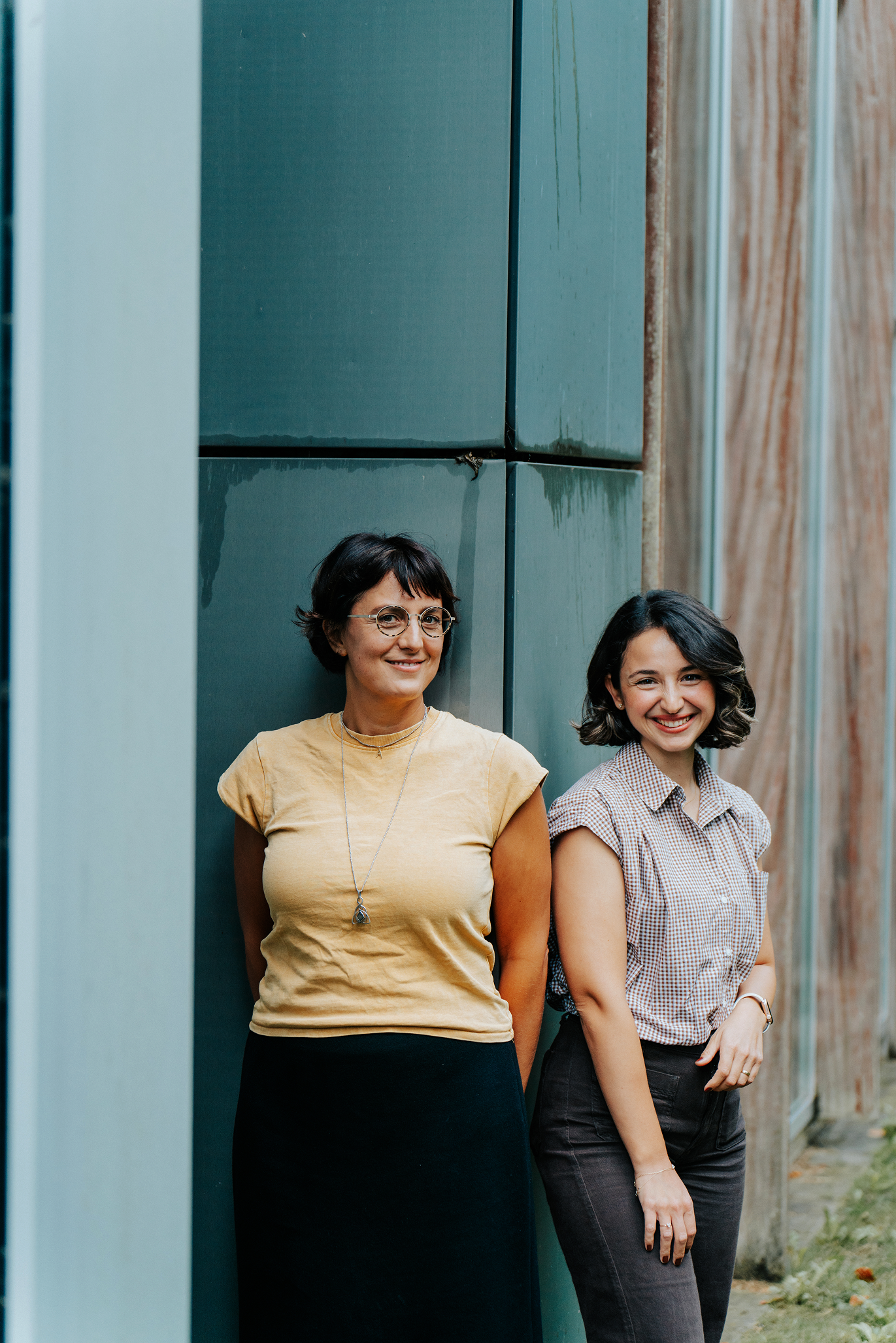
"At Campus Kortrijk, everything revolves around making ideas tangible. Everyone is creating, testing, and improving."
Rooted in the Manufacturing Industry
In addition to plenty of green space, the campus consists of a vibrant mix of UGent facilities and various business hubs. You can pursue industrial engineering technologies degrees like Industrial Design Engineering and Machine and Production Automation, where practice, creativity, and technology come together. The campus is also deeply intertwined with the regional manufacturing industry and the city of Kortrijk. Students and researchers constantly work on concrete challenges from local partners.
"For example, for one semester, our students explored repair practices at Kortrijk's Deelfabriek, working on repairing broken items using 3D printing technology," says Francesca. "Sustainability and circularity are central to what we do. We are not designing for a throwaway culture; we look for smart ways to give products a longer life, or a second one."
Designing with People
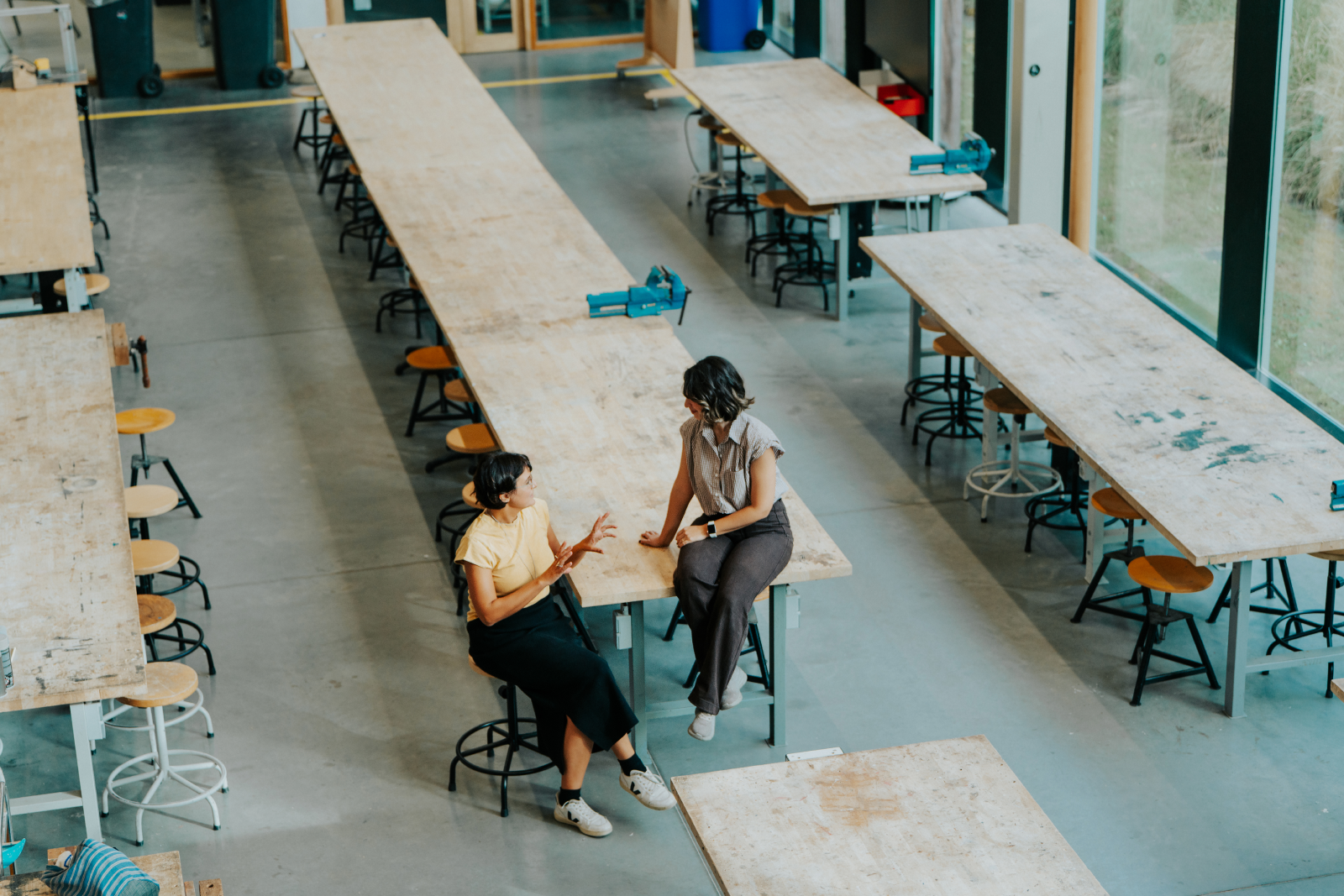
Francesca and Melis have been working together within the Design.Nexus research group since 2021. Their shared passion: co-design and design justice. "In the past, designers often assumed what a user needed," says Melis. "With co-design, we don't design for people, but with people. With design justice, groups that are often forgotten in design processes get a voice. For instance, when an infrared sensor on a soap dispenser does not work well for people with darker skin tones, it may reflect that they were not actively involved or considered in the design process.
Language as a Connection
Campus Kortrijk has a distinctly international character. With their Italian and Turkish roots, Francesca and Melis are living proof of it. To further connect this international community, they helped roll out Let's Talk Kortrijk, a relaxed language café centered around meeting people.
At such events, designers/design researchers get to know researchers from VEG-I-TEC, the department for sustainable vegetable processing on campus. Francesca: "Normally, we don’t cross paths that often. We discovered that we complement each other perfectly—for example, by reusing biological waste streams in new design materials."
Melis adds: "As an international researcher, I'm still learning Dutch. At Let's Talk Kortrijk, I noticed how pleasant encounters ensure that cultural differences actually bring people closer together."
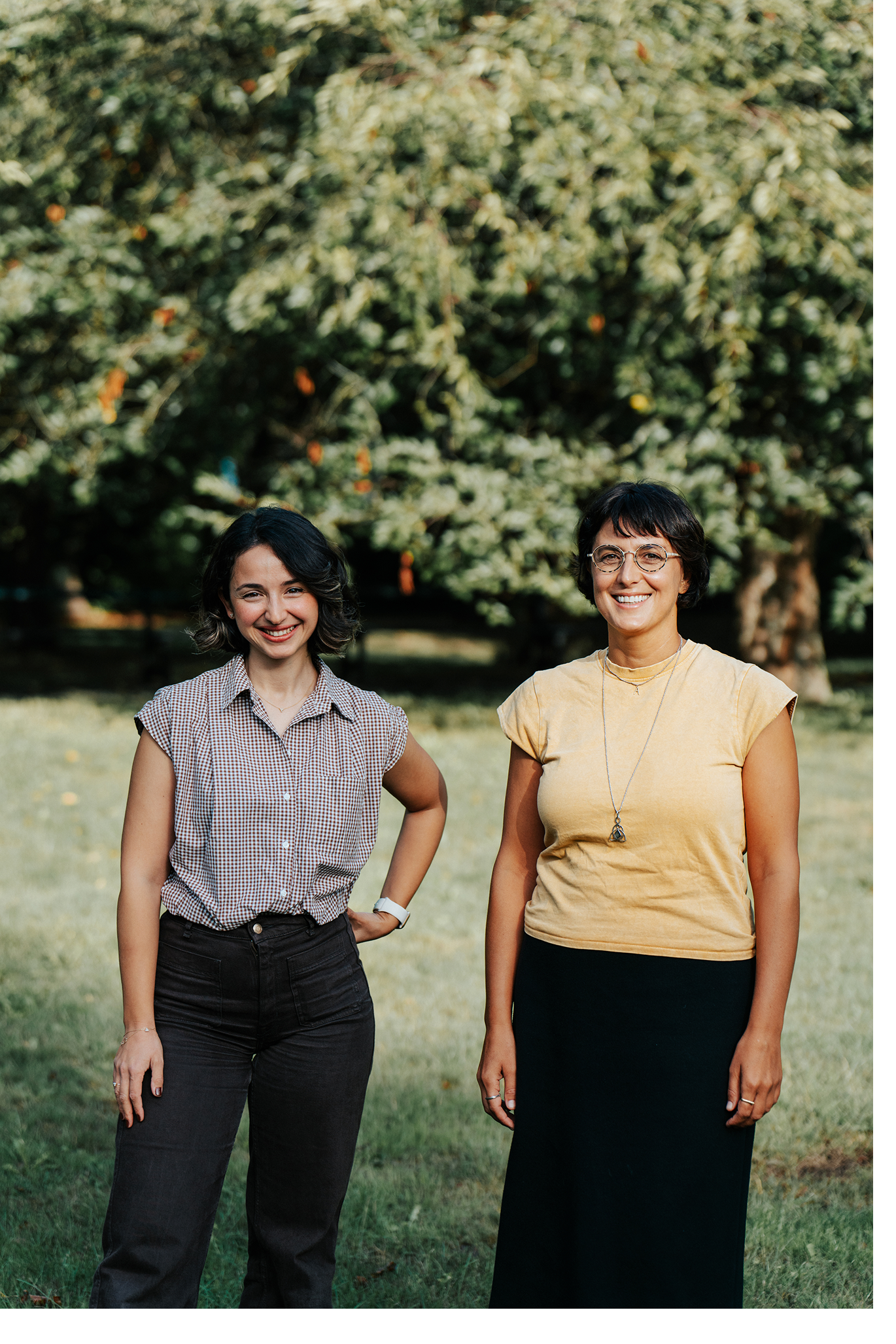
"Normally, we don’t cross paths that often. We discovered that we complement each other perfectly."
Orientation Days
To make new faces feel right at home, all kinds of welcome activities are scheduled for September. In addition to orientation days, an informal startup event with music and food takes place on September 24. Francesca: "This lets first-year students get to know the campus operations, other students, and student associations in a relaxed environment." Melis nods: "As a newcomer, I benefited hugely from those low-threshold moments. You meet others in the same boat, which instantly takes away the stress."
What tip do you have for UGent community members for the upcoming academic year?
Dr. Melis Örnekoğlu Selçuk: "Don't see your own culture, language, or background as a weakness, but as a strength. It's actually a good thing that everyone is different. Don't try to adapt completely—keep your own identity and dare to teach others about your own culture."
Prof. Francesca Ostuzzi: "Dare to think, but don't get stuck in the thinking phase. Think while you're doing, too*. Test things out, allow room for imperfection, and don't let the fear of failure hold you back. You learn the most by trying, and by making mistakes along the way."
*(Schön, 1983).
Read also
Campus Ostend: Ellen and Tina’s passion for marine research reaches all the way to Hawaii and Indonesia
Professor and deep-sea ecologist Ellen Pape and PhD researcher Tina Agustina both work at Campus Ostend. As well as a campus, they share an interest in ecology and in the interplay between the sea and human activity.

TechTransfer: the springboard for scientific research
How do you ensure that scientific breakthroughs make their way into the real world? That is the mission of Ghent University’s TechTransfer Office. “We build communities, provide access to labs and offer support with business plans to give spin-offs a boost.”

Why Ghent University Imagines 2050 is a necessity, a puzzle and a flywheel
Ghent University (UGent) faces a historic transformation over the coming decades. UGent Verbeeldt 2050 (Ghent University Imagines 2050) will see campuses renovated, relocated and connected. Chief Logistics Officer Jeroen Vanden Berghe and policy advisor Tristan Verleyen share insights into the short- and longer-term plans. “It’s a strong vision for UGent’s future. And the path to get there? We’ll walk it together.”

From the Ecuadorian Amazon to Ghent: Dayana and Thomas push boundaries
Master's student Dayana Garzón swapped the Ecuadorian Amazon for Ghent University (UGent). Here, she turns her passion for sustainability into concrete solutions under the guidance of Professor Thomas Hermans. “With basic knowledge of land and water use, you can save lives.”
