opinion
Is AI changing the way we speak and write?
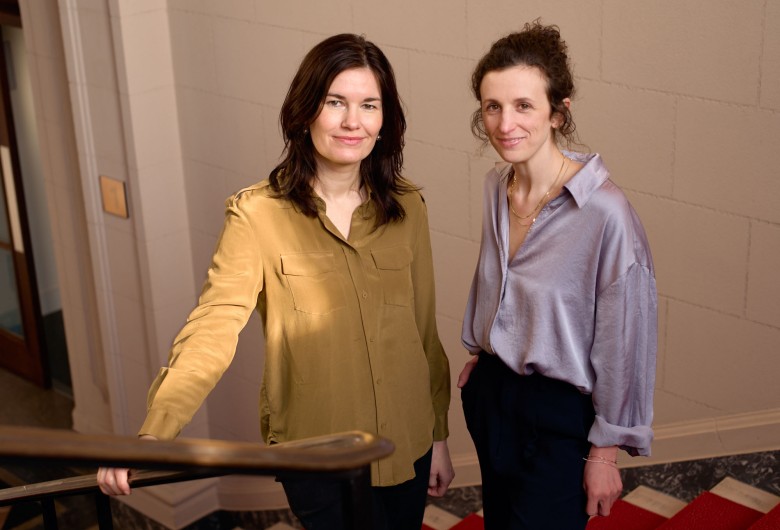
We asked linguist Orphée De Clercq about her perspective on the influence of AI on how we speak and write. Will we soon lose our sense of language?
We asked linguist Orphée De Clercq about her perspective on the influence of AI on how we speak and write. Will we soon lose our sense of language?
With the aid of AI, Ghent-based company AlfaSent is able to recognise emotions in texts. It’s a prime example of language technology, an area that is rapidly gaining ground. Founder and UGent alumna Ellen De Geyndt: “I’ve always been interested in both language and technology but I wasn’t aware that I could combine the two.”
With clock-like regularity the debate pops up about whether studying Greek and Latin is still useful. Some claim that classical languages are useless on the job market. For others, they are the foundation of our society. What should we think about that? We asked hellenist Evelien Bracke and got a nuanced answer.
At the Faculty of Arts and Philosophy, starting next academic year, you can opt for an educational track to become a language technologist. A sought-after profile on the job market, so it seems.
This summer it was hard to miss: at Ghent University you would soon be able to take a “Taylor Swift-class”. A storm of reactions blew up, the crackle could be heard all the way to the United States. In the eye of the storm: professor Elly McCausland and her elective course Literature (Taylor’s version). “It was a lot, but I’ve grown quite a thick skin.”
Good news for language programmes: enrolment records show that, once again, more students are choosing to study languages, literature and culture at Ghent University. After a number of years of declining interest in the subjects, we seem to have passed a turning point.
Four alumni look back on their education and the direction they eventually took. What started on the same road led to other places. Alexander, Nikki, Bart and Eline all studied applied language studies. The passion for languages is still there, but each of them expresses it in a different way in their jobs.