What if we used nature rather than concrete to protect our coasts?

Rising sea levels are a global challenge for coastal areas. Traditionally, the solution has been concrete sea walls, but are there more natural solutions?
Rising sea levels are a global challenge for coastal areas. Traditionally, the solution has been concrete sea walls, but are there more natural solutions?
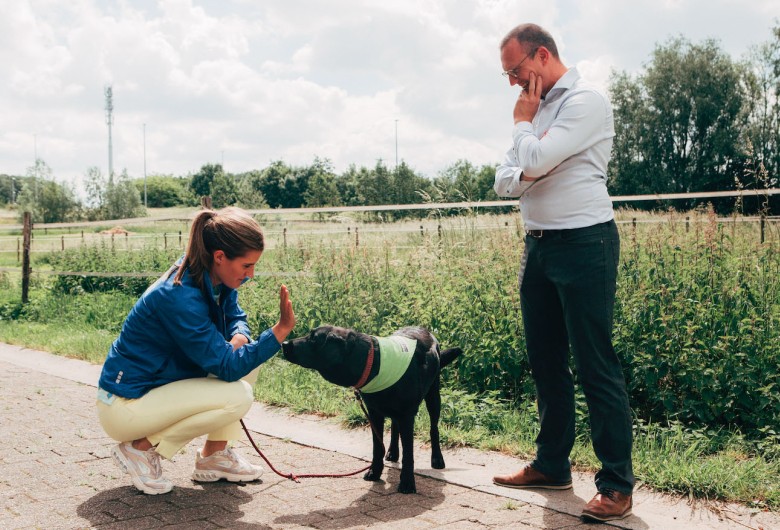
Only forty per cent of assistance dogs in training actually end up becoming a proper assistance dog. This problem not only causes long waiting lists, it also costs a lot of money. A collaboration, in the form of a professorship between professor Bart Broeckx and the non-profit organisation Purpose Dogs aims to find a solution.
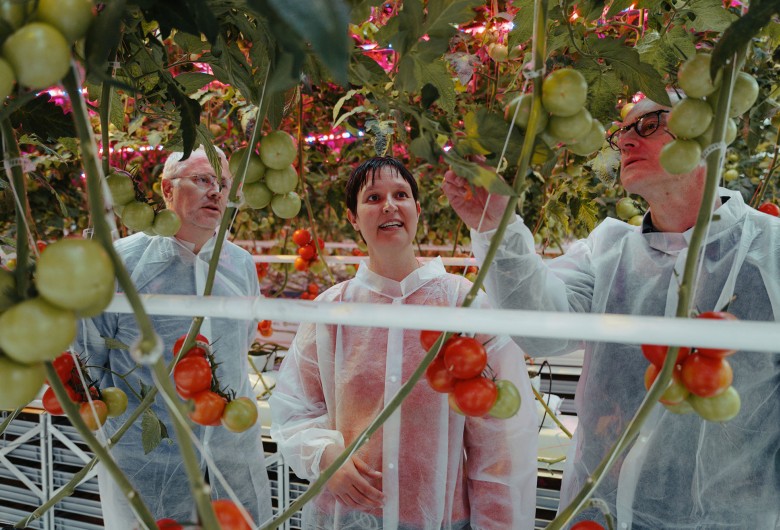
Vertical farming is booming, and above all in an urban context, since this method requires less space in order to grow sufficient food for a large number of people. Vertical farming is an agricultural concept where crops are grown in a tall greenhouse, in vertically stacked layers. The plants are not planted in earth; instead, they are cultivated in nutrient-enriched water. Artificial light is needed to ensure that the plants receive enough light in order to grow. But which sort of light gives the best result? This is the focus of one of the studies by a team of bio-engineers from Ghent University.
Researchers at Ghent University (UGent) have discovered enzymes that can cure age- and diabetes-related blindness. Nearly 200 million people worldwide suffer from these diseases. Thanks to financial support from one UGent alumnus and the Industrial Research Fund (IOF), the researchers are now working on eye drops made using these enzymes.
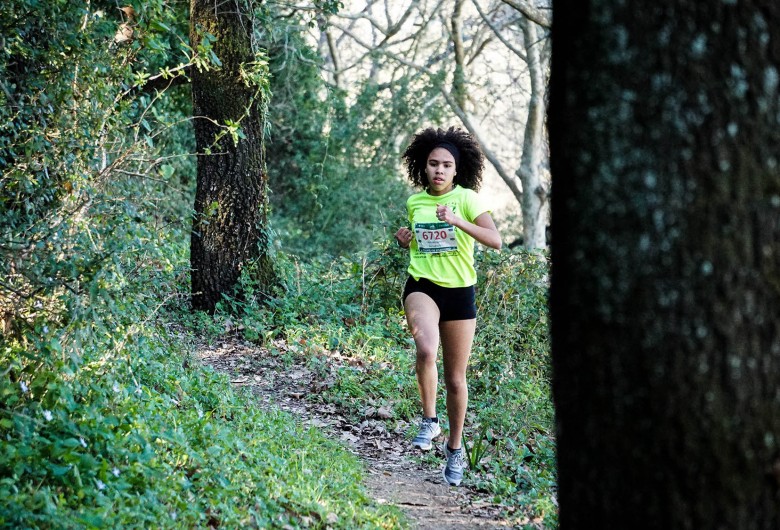
What social challenges does the sports world face? And could more social sports lead to a better and more friendly society? These are the research questions that preoccupy the Frans Verheeke endowed chair.